Community Seedling Buyback
A restoration and livelihoods model where communities grow seedlings locally and participate directly in restoration supply efforts.
Abuur Labs explores practical ways to support land restoration and resilience, with a focus on Somalia and the wider region. We work on pasture recovery, water systems, seedlings and nurseries, and youth-facing field programs—always with communities at the center and with tools only where they earn their place.
Somalia’s coast and pastoral landscapes frame much of the dryland context we work in—from southern shores to open rangeland.
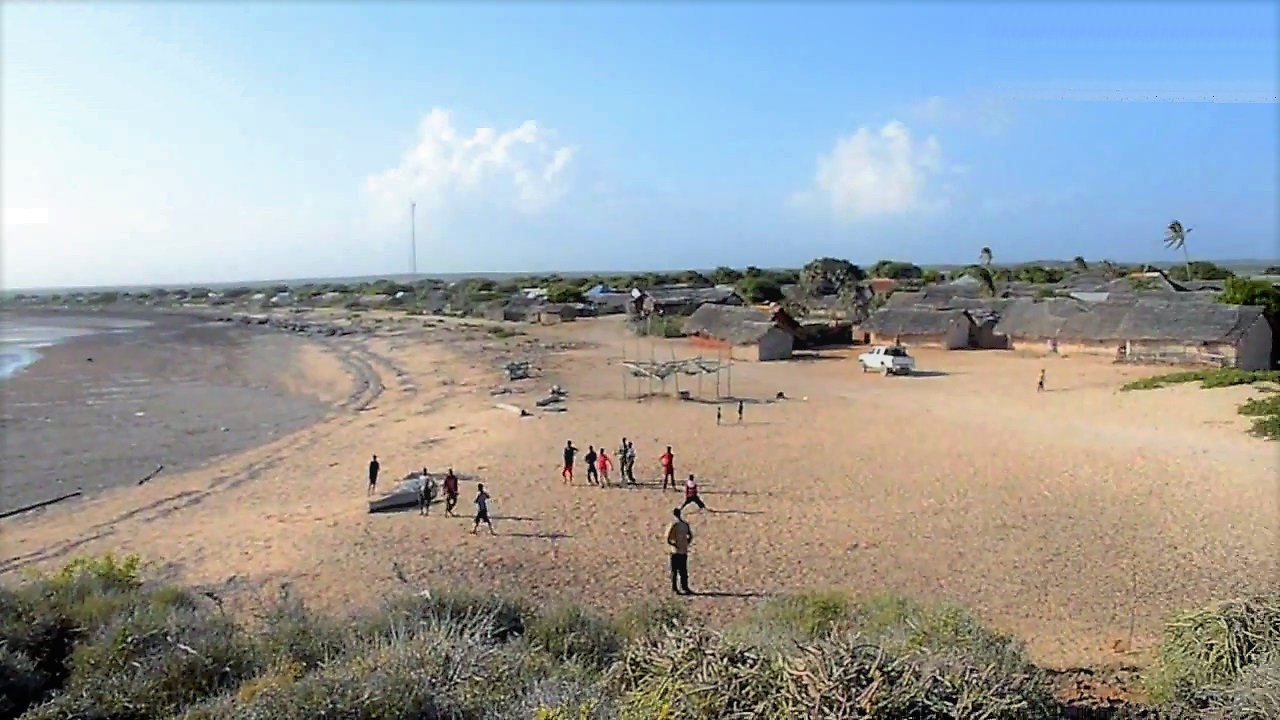
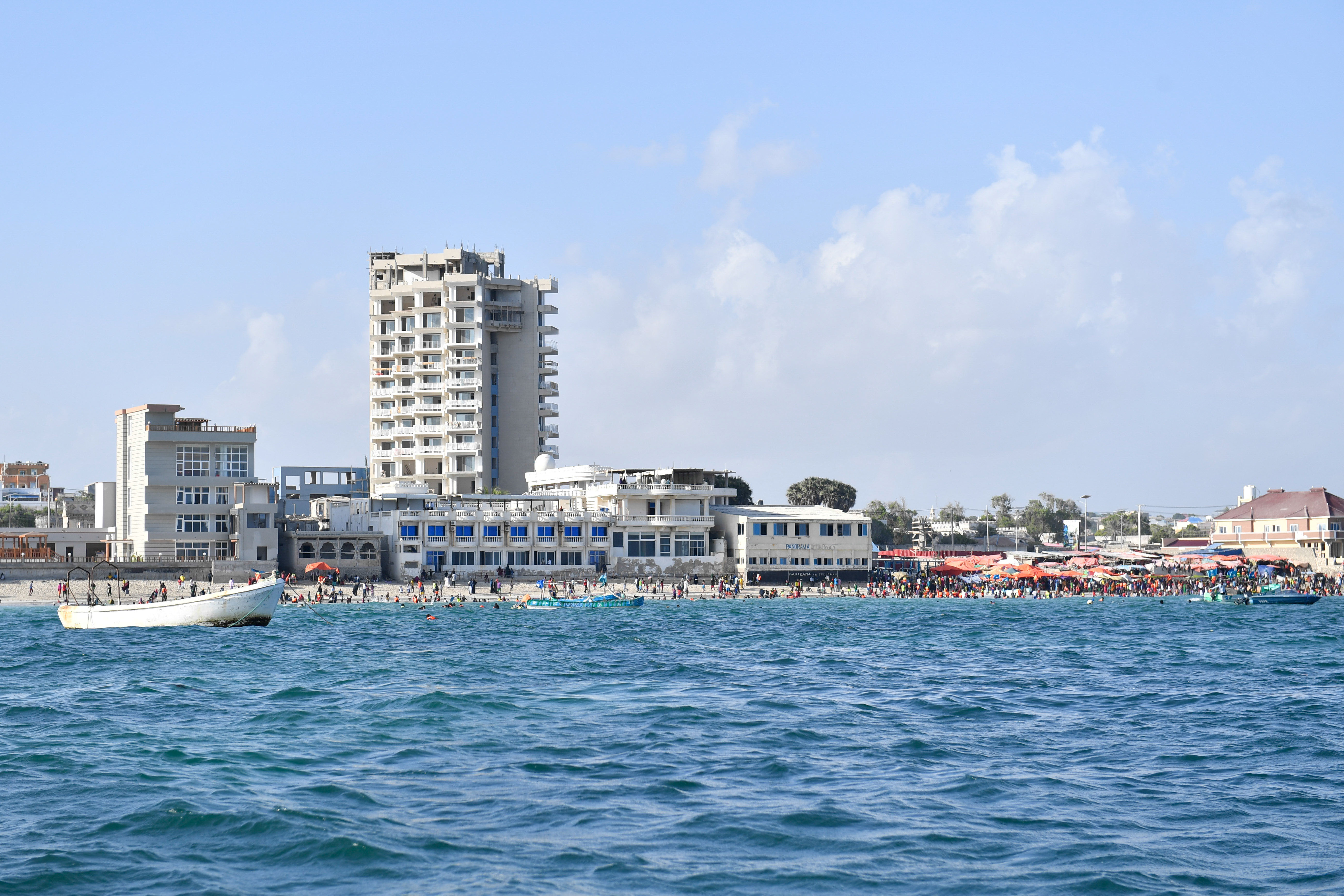
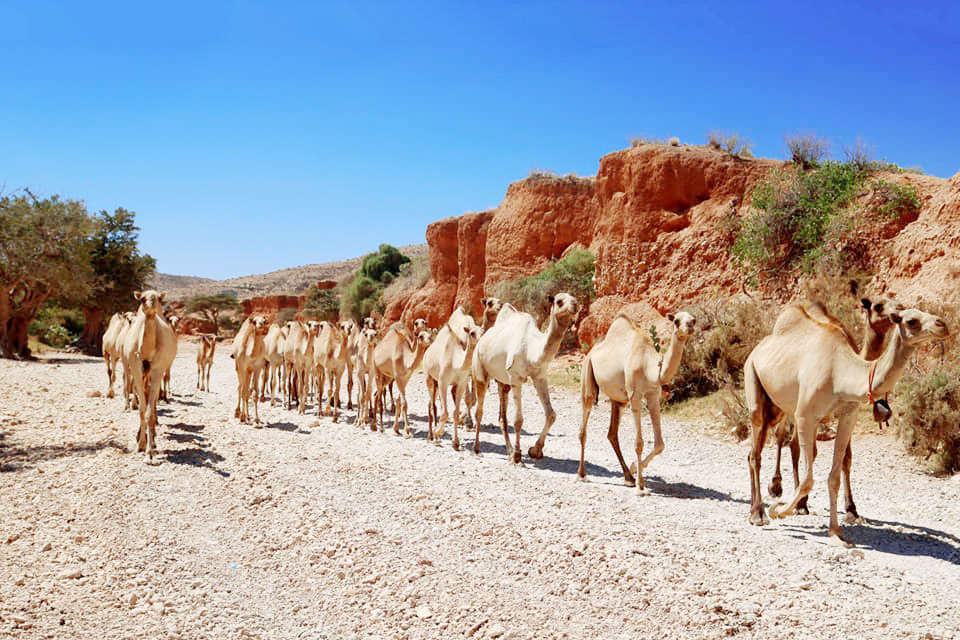
Wikimedia Commons: Somalia, Lower Juba, Kamboni beach; Lido beach (AMISOM Photo); Somali camels (Warfaa Jibriil, Wiki Loves Africa 2019, CC BY-SA 4.0).
We document and shape restoration use cases—clear enough to discuss with communities, funders, and field teams, and honest about what a pilot can test in the first season versus what takes years.
Most of our thinking connects:
A restoration and livelihoods model where communities grow seedlings locally and participate directly in restoration supply efforts.
A restoration concept focused on healthier grazing systems, improved vegetation recovery, and reduced pressure on degraded land.
A village-focused approach to water tank monitoring and refill planning that improves visibility and decision-making.
A practical model for training young people to participate in restoration implementation through field methods and earthworks.
A village gateway is a shared local bridge: weather, soil, tanks, and rivers can report through one node so alerts and reviews stay coherent. The goal is not a smart city—just enough visibility to support restoration, water, and risk decisions on time.
When communities grow planting material locally and programs buy it back for restoration work, participation, skills, and supply can align—without treating people only as recipients of seedlings.
Sensors do not stop floods—they shrink the gap between rising water and community awareness. Simple river-level monitoring, clear thresholds, and fast alerts can buy time for livestock moves, routes, and coordinated local response.
Drones can spread seed fast; pasture only recovers when pressure, moisture, and timing align. High-capacity spreaders like the DJI AGRAS T100 change operations—not the ecology—so planning and management still come first.
Tank sensors and simple alerts are not a smart-city platform—they are a visibility layer that can move village water from late reaction to earlier preparation, better refill timing, and less avoidable stress.
We’re early-stage: not a turnkey national contractor, but a partner for structured thinking—scoping notes, pilot outlines, and monitoring logic you can actually use. When sensors or drones fit, we help define a small experiment with clear learning questions, not a rush to deploy hardware everywhere.
In drylands, restoration is rarely one intervention—it is pasture pressure, water timing, tenure, and who maintains what after the project ends. Programs fail when those threads are treated separately.
We focus on approaches that stay legible on the ground: ecological limits first, community roles spelled out, and technology only where it simplifies decisions or buys time—not where it adds noise or dependency.
Over time we want Abuur Labs to help grow technical and ecological skills in the places where work happens—including by working with and hiring young people in-country as pilots expand.
If you work with dryland communities and want a clear-eyed conversation about scope, partners, and next steps—whether or not we end up collaborating—send a short note. Based in Nairobi with a presence in Garissa; East Africa–focused.
Contact