Community Seedling Buyback
A restoration and livelihoods model where communities grow seedlings locally and participate directly in restoration supply efforts.
Somalia’s coast and pastoral landscapes frame much of the dryland context we work in—from southern shores to open rangeland.
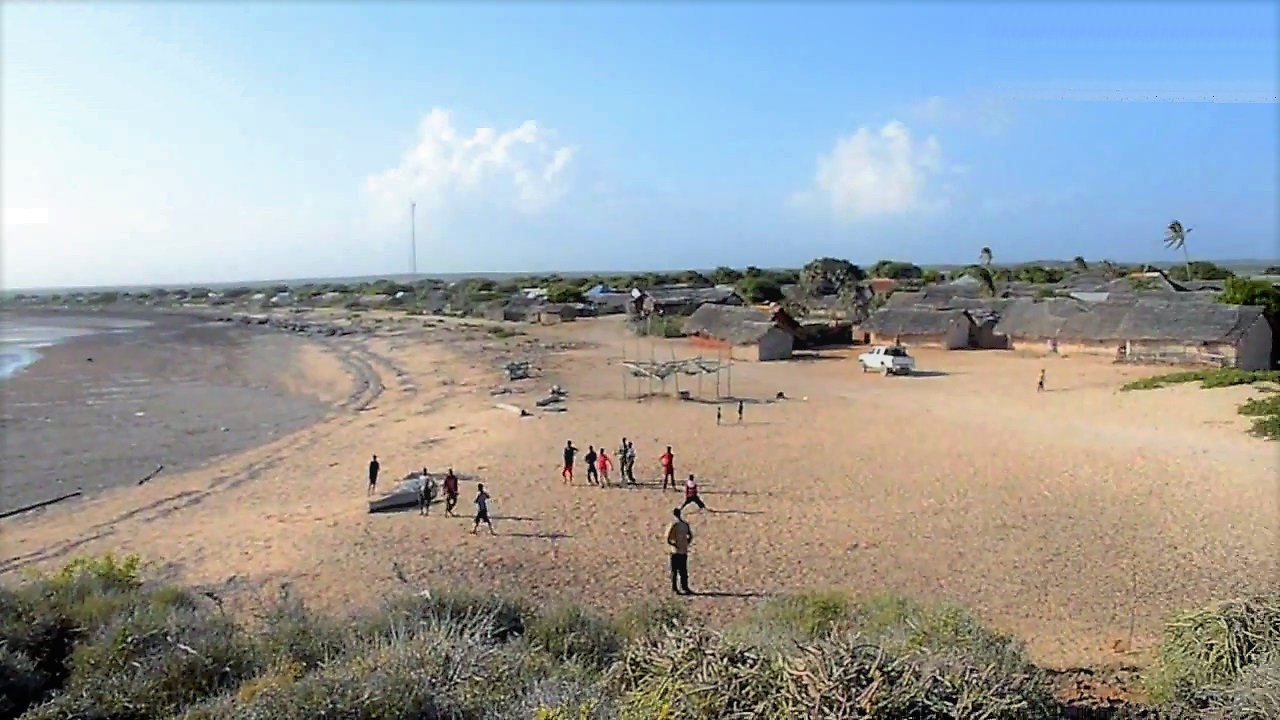
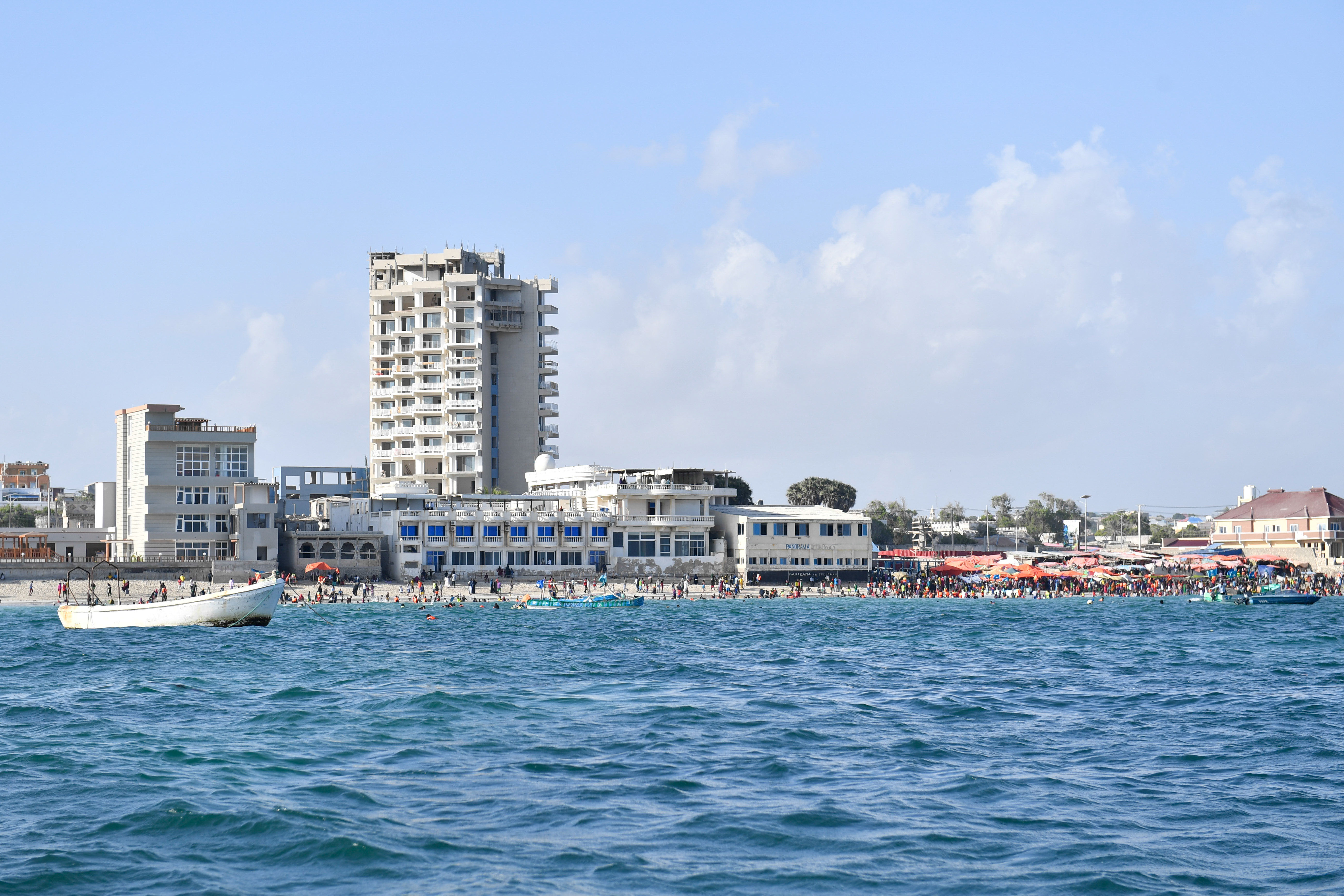
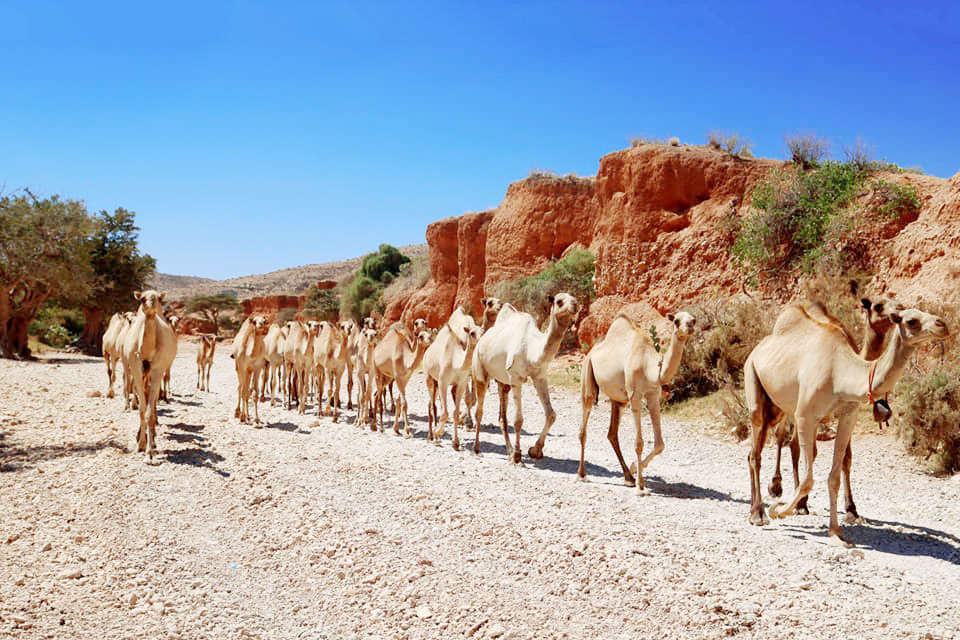
Wikimedia Commons: Somalia, Lower Juba, Kamboni beach; Lido beach (AMISOM Photo); Somali camels (Warfaa Jibriil, Wiki Loves Africa 2019, CC BY-SA 4.0).
我们记录并塑造修复用例——足够清晰,便于与社区、资助方和实地团队讨论;并诚实区分首季试点能验证的内容与需要多年积累的结果。
我们的思路主要连接:
A restoration and livelihoods model where communities grow seedlings locally and participate directly in restoration supply efforts.
A restoration concept focused on healthier grazing systems, improved vegetation recovery, and reduced pressure on degraded land.
A village-focused approach to water tank monitoring and refill planning that improves visibility and decision-making.
A practical model for training young people to participate in restoration implementation through field methods and earthworks.
A village gateway is a shared local bridge: weather, soil, tanks, and rivers can report through one node so alerts and reviews stay coherent. The goal is not a smart city—just enough visibility to support restoration, water, and risk decisions on time.
When communities grow planting material locally and programs buy it back for restoration work, participation, skills, and supply can align—without treating people only as recipients of seedlings.
Sensors do not stop floods—they shrink the gap between rising water and community awareness. Simple river-level monitoring, clear thresholds, and fast alerts can buy time for livestock moves, routes, and coordinated local response.
Drones can spread seed fast; pasture only recovers when pressure, moisture, and timing align. High-capacity spreaders like the DJI AGRAS T100 change operations—not the ecology—so planning and management still come first.
Tank sensors and simple alerts are not a smart-city platform—they are a visibility layer that can move village water from late reaction to earlier preparation, better refill timing, and less avoidable stress.
我们处于早期阶段:不是包揽全国的承包商,而是结构化思考的伙伴——范围说明、试点提纲、以及真正用得上的监测逻辑。在传感器或无人机合适时,我们帮助定义小规模试验与清晰的学习问题,而不是到处匆忙部署硬件。
在旱地,修复很少是单一干预——它涉及放牧压力、供水时机、权属以及项目结束后由谁维护。若把这些线索拆开处理,项目往往会失败。
我们关注在地面仍可理解的做法:生态边界优先、社区角色写清楚、技术仅在能简化决策或争取时间时使用——而非增加噪音或依赖。
我们希望 Abuur Labs 随试点扩展,帮助在工作发生地培养技术与生态技能——包括与本地青年合作并在当地聘用他们。