Community Seedling Buyback
A restoration and livelihoods model where communities grow seedlings locally and participate directly in restoration supply efforts.
تستكشف Abuur Labs طرقًا عملية لدعم استعادة الأراضي والمرونة، مع تركيز على الصومال والإقليم الأوسع. نعمل على تعافي المراعي، وأنظمة المياه، والشتلات والمشاتل، وبرامج ميدانية للشباب—دائمًا مع المجتمعات في المركز، والتقنية فقط حيث تستحق ذلك.
Somalia’s coast and pastoral landscapes frame much of the dryland context we work in—from southern shores to open rangeland.
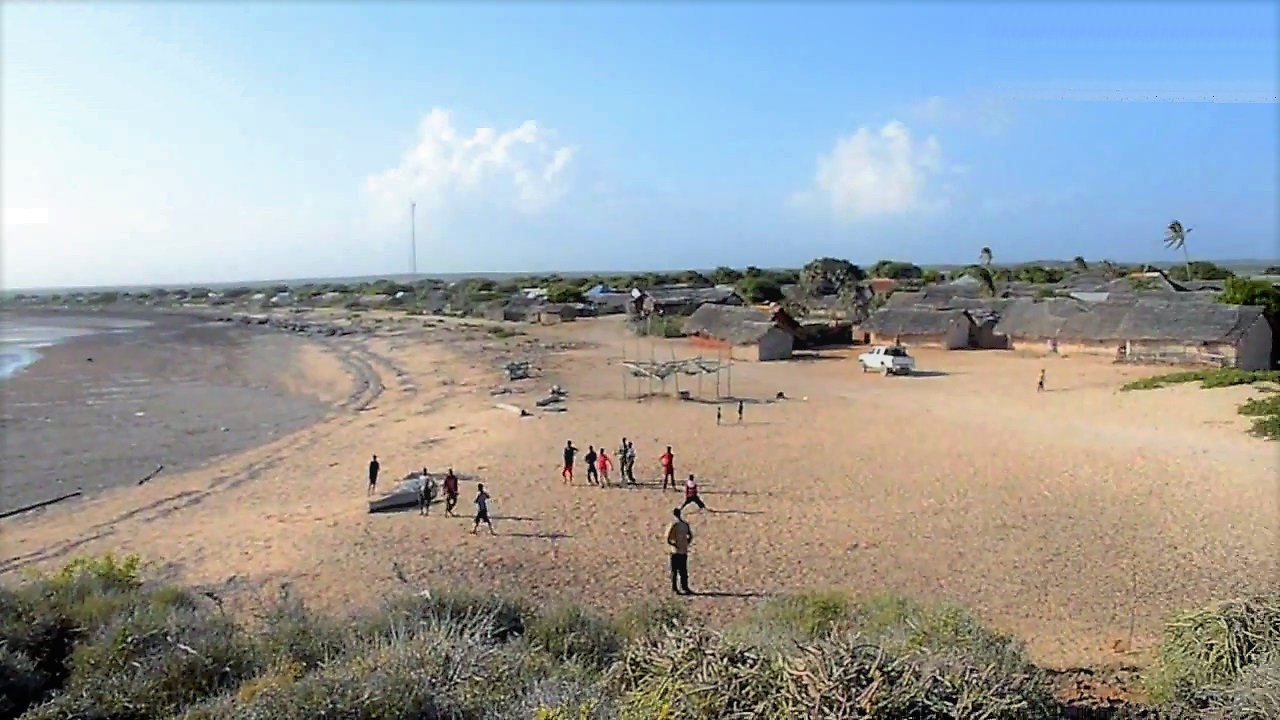
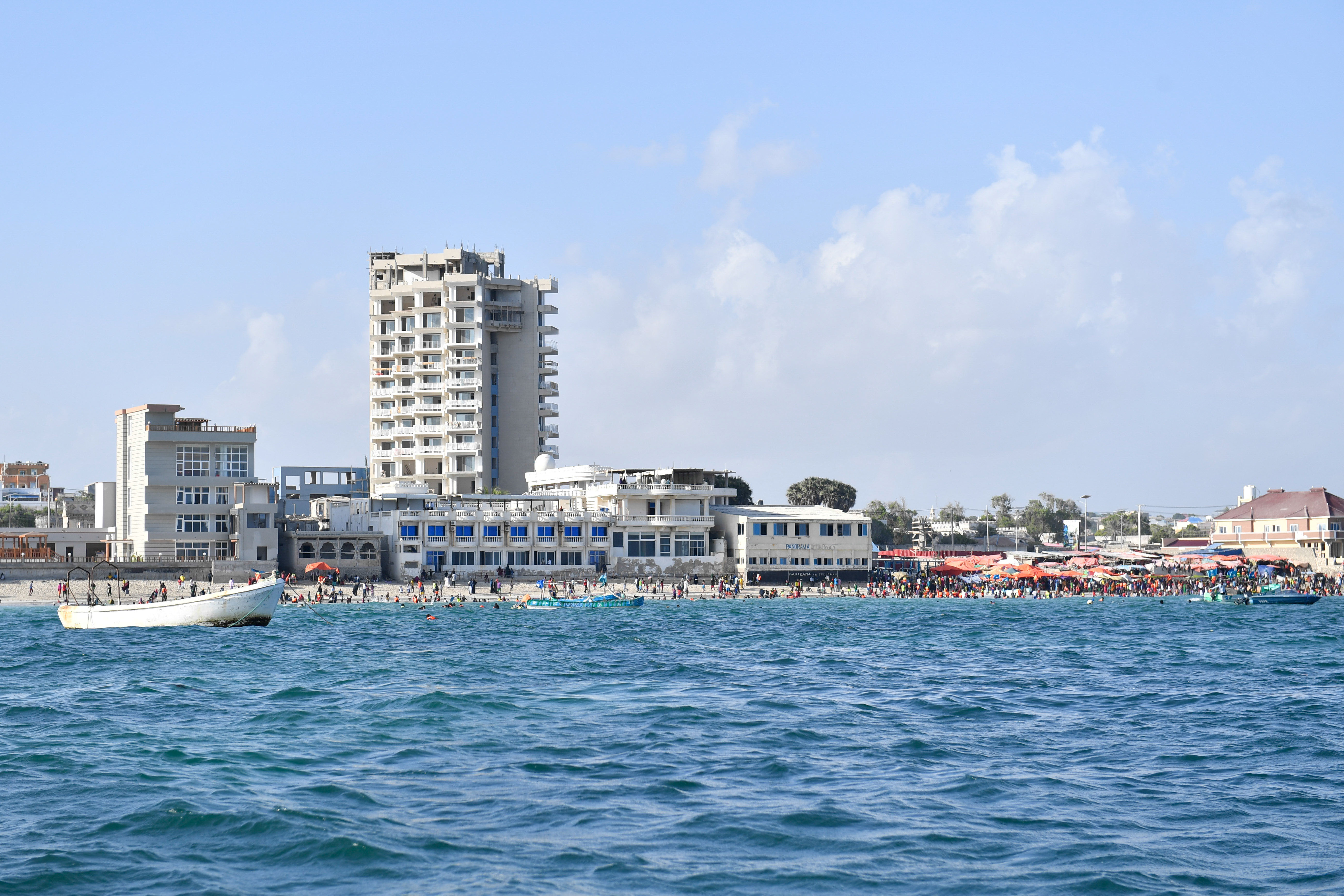
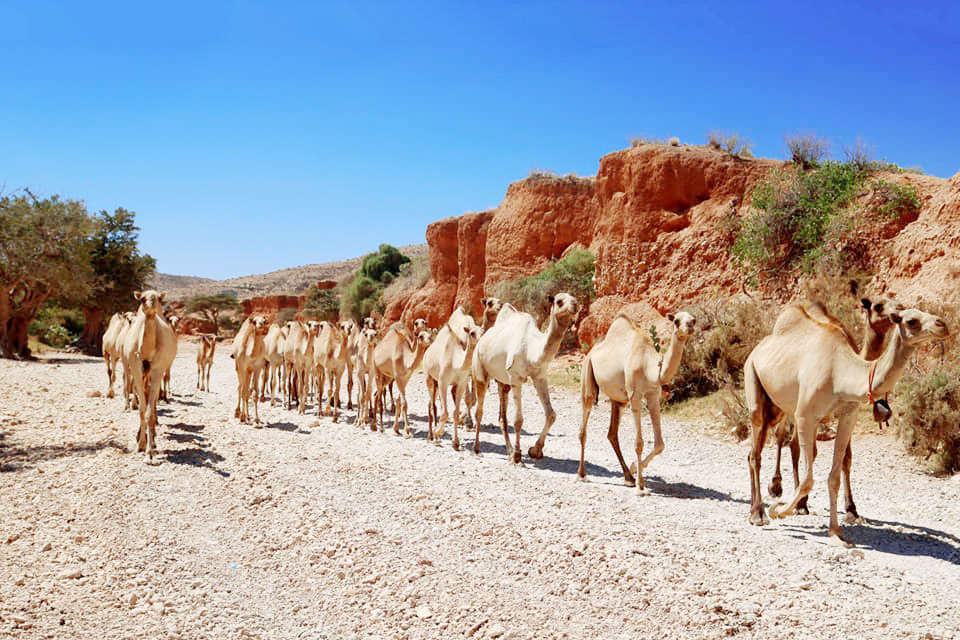
Wikimedia Commons: Somalia, Lower Juba, Kamboni beach; Lido beach (AMISOM Photo); Somali camels (Warfaa Jibriil, Wiki Loves Africa 2019, CC BY-SA 4.0).
نوثّق ونشكّل حالات استخدام للاستعادة—واضحة بما يكفي للنقاش مع المجتمعات والممولين والفرق الميدانية، وصادقة بشأن ما يمكن أن تختبره التجربة في الموسم الأول مقابل ما يستغرق سنوات.
يربط تفكيرنا الأكثر:
A restoration and livelihoods model where communities grow seedlings locally and participate directly in restoration supply efforts.
A restoration concept focused on healthier grazing systems, improved vegetation recovery, and reduced pressure on degraded land.
A village-focused approach to water tank monitoring and refill planning that improves visibility and decision-making.
A practical model for training young people to participate in restoration implementation through field methods and earthworks.
A village gateway is a shared local bridge: weather, soil, tanks, and rivers can report through one node so alerts and reviews stay coherent. The goal is not a smart city—just enough visibility to support restoration, water, and risk decisions on time.
When communities grow planting material locally and programs buy it back for restoration work, participation, skills, and supply can align—without treating people only as recipients of seedlings.
Sensors do not stop floods—they shrink the gap between rising water and community awareness. Simple river-level monitoring, clear thresholds, and fast alerts can buy time for livestock moves, routes, and coordinated local response.
Drones can spread seed fast; pasture only recovers when pressure, moisture, and timing align. High-capacity spreaders like the DJI AGRAS T100 change operations—not the ecology—so planning and management still come first.
Tank sensors and simple alerts are not a smart-city platform—they are a visibility layer that can move village water from late reaction to earlier preparation, better refill timing, and less avoidable stress.
نحن في مرحلة مبكرة: لسنا مقاولًا وطنيًا شاملاً، بل شريكًا للتفكير المنظم—ملاحظات النطاق، ومخططات التجارب، ومنطق مراقبة يمكن استخدامه فعليًا. عندما تناسب أجهزة الاستشعار أو الطائرات المسيّرة، نساعد في تحديد تجربة صغيرة بأسئلة تعلم واضحة، وليس الاندفاع لنشر الأجهزة في كل مكان.
في الأراضي الجافة، نادرًا ما تكون الاستعادة تدخلاً واحدًا—إنها ضغط المراعي وتوقيت المياه والحيازة ومن يصون ما بعد انتهاء المشروع. تفشل البرامج عندما تُعالج هذه الخيوط بشكل منفصل.
نركز على مقاربات تبقى واضحة على الأرض: الحدود البيئية أولاً، وأدوار المجتمع مفصولة، والتقنية فقط حيث تبسّط القرار أو تكسب الوقت—وليس حيث تضيف ضجيجًا أو اعتمادًا.
مع الوقت نريد أن تساعد Abuur Labs على تنمية المهارات التقنية والبيئية حيث يحدث العمل—بما في ذلك بالعمل مع الشباب المحلي وتوظيفهم مع توسع التجارب.
إذا كنت تعمل مع مجتمعات المناطق الجافة وتريد حوارًا صريحًا عن النطاق والشركاء والخطوات التالية—سواء انتهى بنا التعاون أم لا—أرسل رسالة قصيرة. مقرنا نيروبي مع حضور في غاريسا؛ تركيزنا شرق أفريقيا.
اتصل